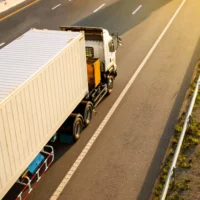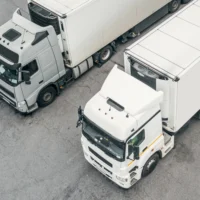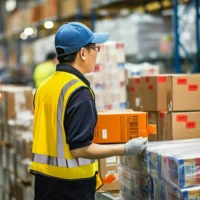




Export operations still depend on physical inspection, real paperwork, and real shipments, but the coordination behind them increasingly depends on better systems, not more people chasing status updates by phone. In today’s competitive sourcing market, using the right tools plays a key role in reducing errors, speeding up documentation, and keeping buyers informed without extra effort.
Technology in export operations isn’t just about tracking a container on a map. It covers real-time documentation, order verification, and shipment status updates to keep the entire process moving without the delays that come from manual handoffs and scattered communication.
technology & modern export operations
Exporters typically see measurable improvements when adopting the right systems:
However, technology adoption isn’t one-size-fits-all. Experienced teams choose tools that support their actual order volume and buyer base, rather than adding complexity that slows the process down instead of speeding it up.
“Technology doesn’t fix a bad process, it just makes a good one faster. The fundamentals of quality and documentation still come first.” — Trade Operations Specialist
operational conditions that call for better systems
Your export operation may benefit from stronger digital tools if you regularly face:
Operational Challenges Include:
External Factors Include:
In real-world export operations, conditions change constantly. Suppliers who adopt the right systems continuously reduce friction, even as order volume and buyer count grow.
the hidden factors that affect export efficiency
Export efficiency goes beyond having a tracking number. Documentation accuracy, communication speed, and order verification all influence how smoothly a shipment actually moves.
Manual, error-prone processes can increase customs delays, frustrate buyers, and slow down repeat orders. On the other hand, the right systems reduce paperwork errors, improve buyer confidence, and ensure consistent turnaround, especially as order volume scales.
From single-container shipments to high-volume export contracts, understanding how the right tools affect performance allows exporters to grow their operations confidently and without losing the accuracy buyers expect.