



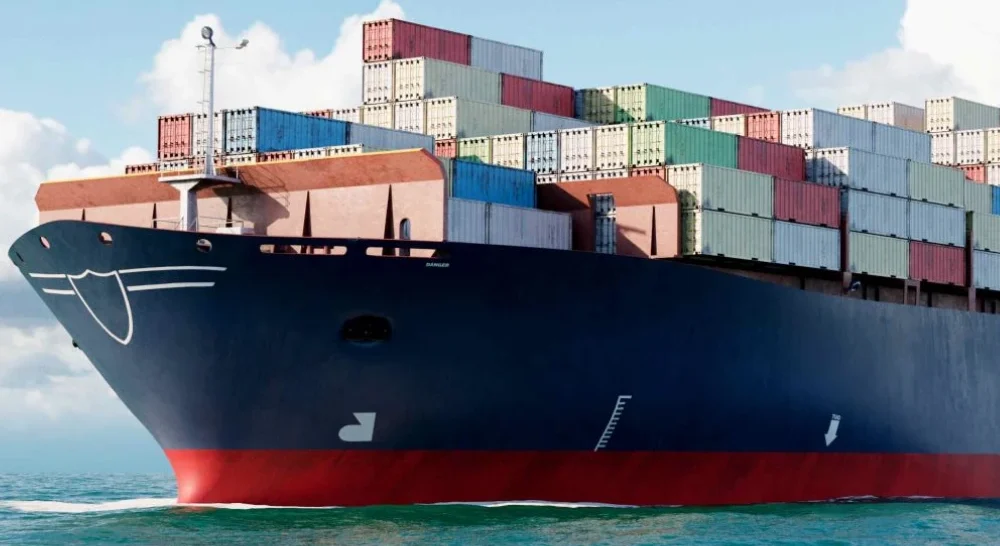
Placing a large first order with a new supplier carries real risk, and buyers who skip a few basic checks upfront often find out the hard way once the shipment has already cleared customs. In today’s competitive sourcing market, knowing what to verify before committing to volume plays a key role in avoiding costly disputes down the line.
Vetting a supplier before a bulk order isn’t just about checking a certificate. It covers sample verification, documentation history, and communication responsiveness to build confidence before money and volume are committed.
what to check before placing a bulk order
Buyers typically avoid the most common disputes by confirming these details upfront:
However, due diligence isn’t identical for every order. Experienced buyers adjust how much verification they require based on order size, destination country, and whether the supplier is new or established.
“The buyers who get burned aren’t the ones who ask too many questions before a big order, they’re the ones who didn’t ask enough.” — Trade Operations Specialist
warning signs worth taking seriously
Your delivery network may require dynamic routing adjustments if you regularly face:
Operational Challenges Include:
External Factors Include:
In real-world trade, the suppliers worth working with rarely mind being asked to prove themselves. The ones who resist basic verification are usually telling a buyer something important before the first shipment ever ships.
why this diligence pays off long after the first order
A buyer who verifies quality and documentation upfront doesn’t just avoid problems on the first shipment, they set the standard for every order that follows. Suppliers who know they’re being held to a consistent standard from day one tend to maintain it without being asked twice.
This matters more than it seems on a single transaction. The buyers who skip verification early often find they have no real leverage to push back later, once volume, pricing, and delivery schedules are already locked into a relationship.
Due diligence at the start isn’t about distrust, it’s about building a partnership where both sides know exactly what to expect. The suppliers worth working with long-term are usually the ones who welcome that scrutiny rather than avoid it.